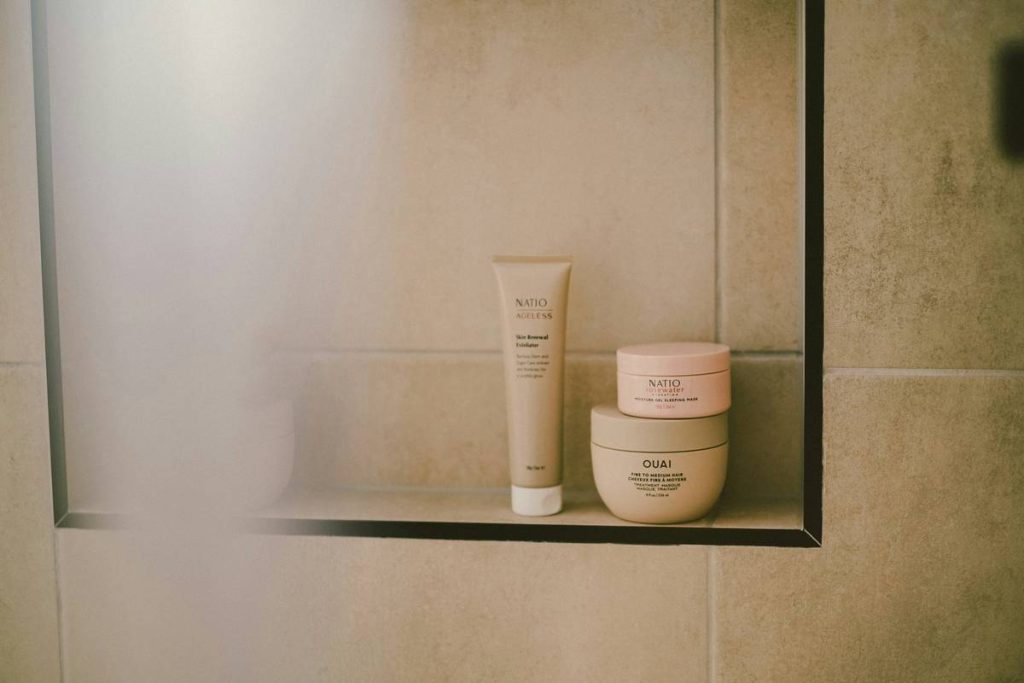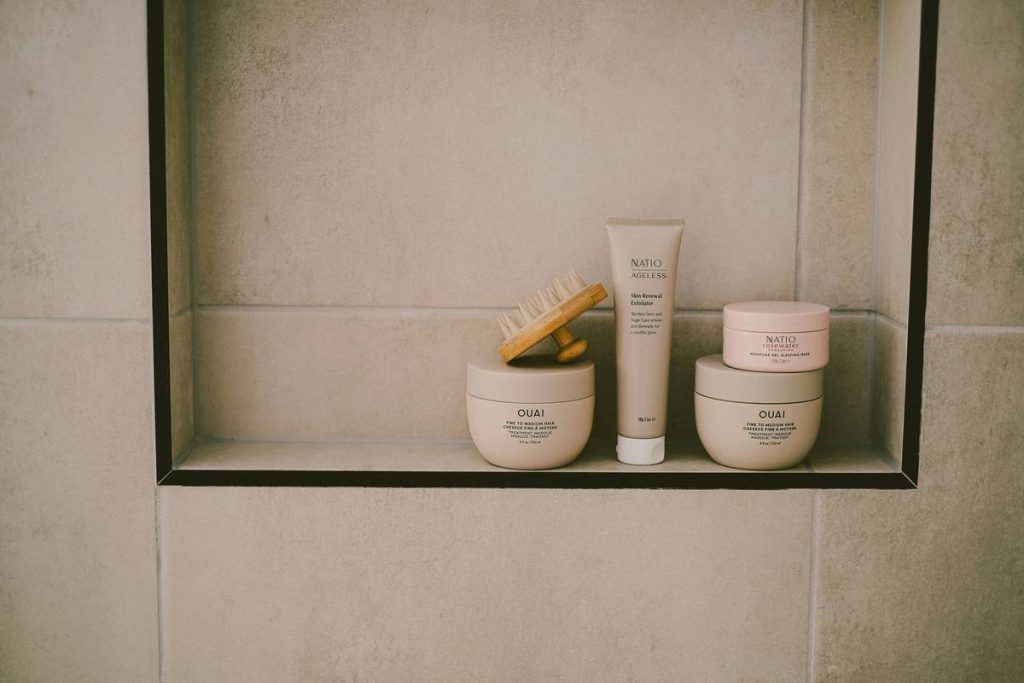
Ever stepped out of the shower feeling tighter than a drum—dry, itchy, and wondering why your “luxurious” skincare product shower gel wash bath left you worse off? You’re not alone. Many people assume all shower gels are created equal, but the wrong formula can strip your skin’s natural barrier, trigger irritation, or even worsen conditions like eczema. In this guide, we’ll cut through the marketing fluff and show you how to choose and use a skincare product shower gel wash bath that actually nourishes your skin—not nukes it.
Table of Contents
- Why Your Shower Gel Choice Actually Matters
- How to Use Shower Gel Like a Dermatologist
- 5 Best Practices for Healthier Skin in the Shower
- Real Results: What Happens When You Switch Right?
- Frequently Asked Questions
Key Takeaways
- A harsh skincare product shower gel wash bath can disrupt your skin’s pH and moisture barrier.
- Look for sulfate-free formulas with ceramides, glycerin, or hyaluronic acid.
- Water temperature and lather technique significantly impact skin health.
- Switching to a gentle gel can improve dryness in as little as one week.
Why Your Shower Gel Choice Actually Matters
Shower gels aren’t just about smelling nice—they’re your skin’s first line of defense (or assault) each day. The average adult showers daily, meaning your skin faces repeated exposure to surfactants, fragrances, and preservatives. According to the American Academy of Dermatology, using overly alkaline cleansers can raise skin pH from its ideal 4.5–5.5 range, leading to increased transepidermal water loss and susceptibility to irritants.
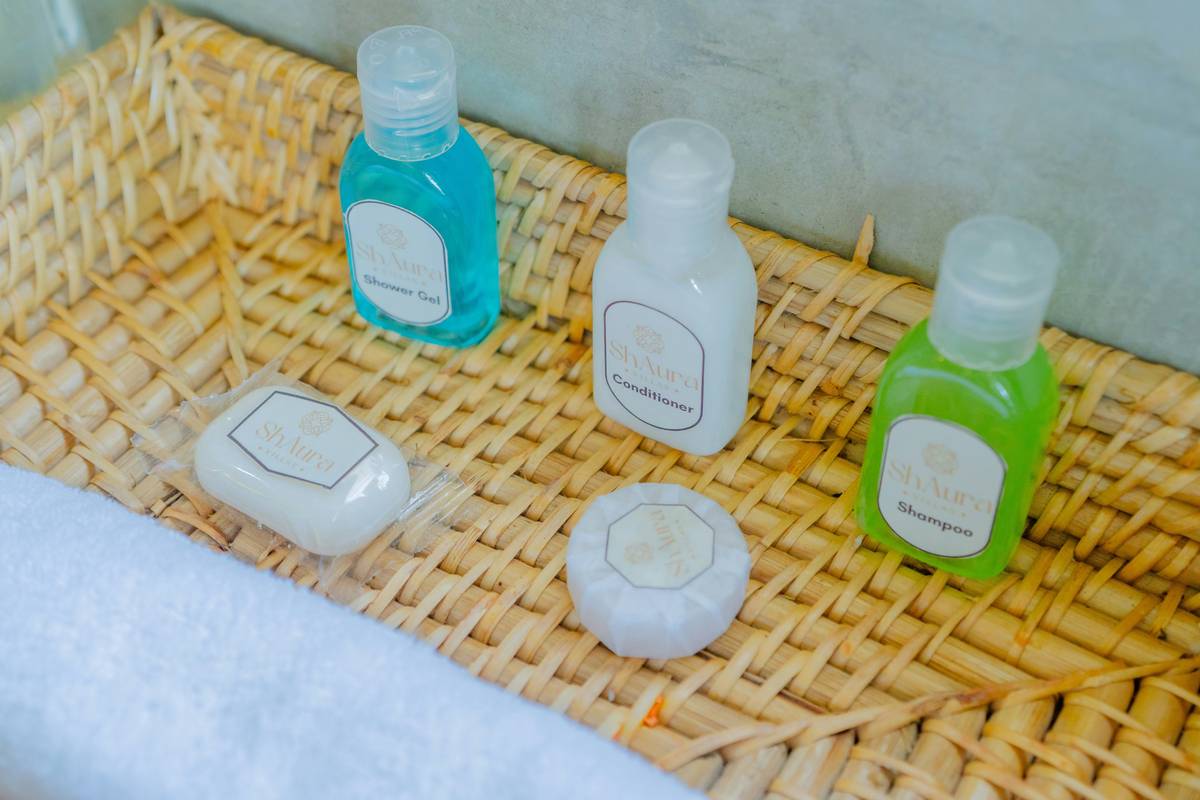
I learned this the hard way. A few years ago, I switched to a “deep-cleansing” charcoal shower gel because it looked trendy. Within days, my arms were covered in red, flaky patches. It turned out the formula was loaded with sodium lauryl sulfate (SLS)—a potent detergent great for garage floors, terrible for delicate skin. That experience taught me: a skincare product shower gel wash bath should cleanse, not compromise.
How to Use Shower Gel Like a Dermatologist
Step 1: Check Water Temperature
Hot water feels amazing but strips natural oils. Stick to lukewarm—ideally under 105°F (40°C).
Step 2: Apply to Damp (Not Soaking) Skin
Over-saturation reduces lather efficiency and encourages overuse. Pat skin lightly before applying.
Step 3: Use the Right Amount
A quarter-sized dollop is enough for your entire body. More isn’t cleaner—it’s wasteful and irritating.
Step 4: Focus on High-Friction Zones
Underarms, feet, and groin need more attention; chest and arms need less. Don’t scrub everywhere like you’re sanding wood.
Step 5: Rinse Thoroughly
Residue = irritation. Spend an extra 10 seconds ensuring no film remains.
5 Best Practices for Healthier Skin in the Shower
- Avoid “antibacterial” claims. Unless prescribed, they often contain triclosan or alcohol that disrupt microbiome balance (FDA Consumer Update).
- Choose pH-balanced formulas. Look for labels stating “pH 5.5” or “dermatologist-tested.”
- Moisturize within 3 minutes post-shower. This locks in hydration while pores are still open.
- Rotate seasonal formulas. Lighter gels in summer, cream-based ones in winter.
- Never share your bottle. Bacteria transfer is real—and gross.
And here’s a terrible tip I’ve heard: “Use your facial cleanser as body wash to save money.” Don’t. Facial products lack the emollients needed for thicker body skin and often cost 3x more per ounce. You’ll waste product and under-moisturize.
Real Results: What Happens When You Switch Right?
In a 2022 clinical study published in the Journal of Cosmetic Dermatology, participants who switched from high-SLS gels to sulfate-free alternatives with glycerin reported a 68% reduction in dryness after 7 days. One participant noted, “My elbows stopped cracking by day three.” That’s the power of choosing a thoughtful skincare product shower gel wash bath.
At Allstar Tamales, we prioritize ingredients that respect your skin’s biology—not just mask odor. While we specialize in wellness education (learn more on our About Us page), we always recommend verifying product safety via trusted sources like the Environmental Working Group’s Skin Deep database.
Frequently Asked Questions
Can shower gel replace soap?
Yes—for most people. Modern shower gels are often gentler than traditional bar soaps, which tend to be highly alkaline. Just ensure your skincare product shower gel wash bath is sulfate-free and pH-balanced.
Is it okay to use shower gel every day?
If it’s formulated for daily use (i.e., non-stripping), yes. But if you have eczema or very dry skin, consider limiting to every other day and using plain water on off-days.
What ingredients should I avoid?
Steer clear of sodium lauryl sulfate (SLS), parabens, synthetic musks, and “fragrance” without full disclosure. These commonly cause sensitivity.
Does expensive mean better?
Not necessarily. Price often reflects packaging or branding. Check the ingredient list—glycerin, ceramides, and panthenol matter more than the price tag.
Can men use the same shower gel as women?
Absolutely. Skin biology doesn’t vary by gender. Marketing does.
Where can I get personalized advice?
We’re happy to help! Reach out via our Contact Us page. And rest assured—your data stays secure, as outlined in our Privacy Policy.
Remember: your shower shouldn’t feel like a chemical peel. Choose wisely, lather gently, and let your skin thank you. Because glowing skin starts not at the spa—but under your own showerhead.